Using apples in this soup is definitely a favorite among women; even those who are reluctant to eat vegetables will love it.
26/2/2024
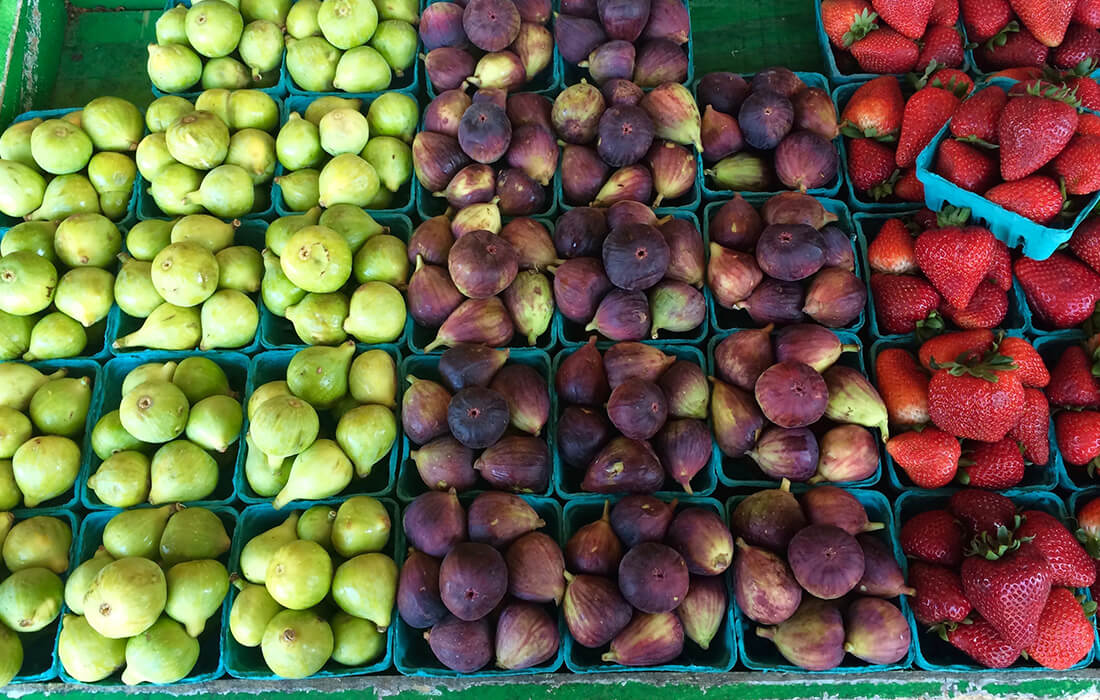
In the hustle and bustle of life, saving time is a top priority. Some people have a habit of buying a lot of food on weekends and then storing it in the refrigerator to save time. Therefore, refrigeration is the best way to keep vegetables in good condition. With some simple tips, vegetables can retain their freshness and avoid unnecessary spoilage. In addition, preserving vegetables helps prevent harmful insects and reduces wilting.
The main purpose of preservation is to slow down the ripening process of vegetables. Under normal conditions, when vegetables become overripe, their nutritional content decreases, they become contaminated with bacteria, and eventually rot.
All vegetables, after harvesting, will continue to ripen gradually. This is the process of converting sugar and oxygen into carbon dioxide, water, and heat. After harvesting, if potatoes are not stored properly, they will sprout, producing toxins and becoming unsafe for health. Therefore, to slow down this ripening process, people need to inhibit it using appropriate storage methods.
When food is left for too long, it easily becomes contaminated with many bacteria, causing spoilage. Although the ripening process has been slowed down, once vegetables are infected with fungus, spoilage and rotting occur very quickly. Therefore, to preserve food for a long time, you also need to pay attention to other factors such as mold.
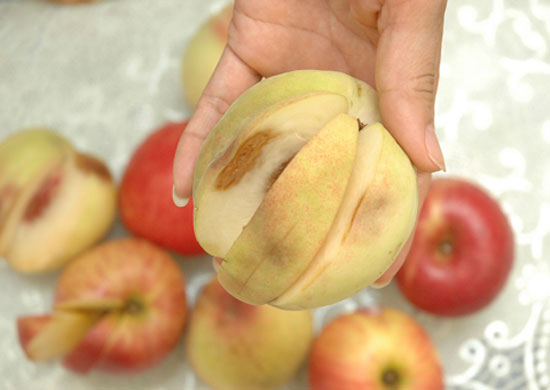
External environmental factors significantly impact the metabolic processes of vegetables. If vegetables ripen too quickly without proper processing, spoilage and rotting will occur, causing waste.
Temperature is the most important factor when preserving vegetables. Higher temperatures accelerate biochemical processes in food, causing vegetables to ripen faster than usual. In the refrigerator's crisper drawer, the respiration rate of vegetables slows down, inhibiting microorganisms. This keeps vegetables fresh and allows them to be preserved longer.
Low humidity makes food more susceptible to bacterial attack, causing rapid dehydration and wilting. Conversely, high humidity limits dehydration but creates a favorable environment for bacteria to grow. Therefore, the best way is to use plastic wrap to carefully wrap vegetables to prevent dehydration in low-humidity environments!
Both oxygen and carbon dioxide affect vegetables. High oxygen levels increase respiration rates; Lower-than-normal oxygen levels cause metabolic processes to stop, leading to vegetable spoilage. In addition, high carbon dioxide concentrations increase shelf life and inhibit the growth of harmful bacteria.
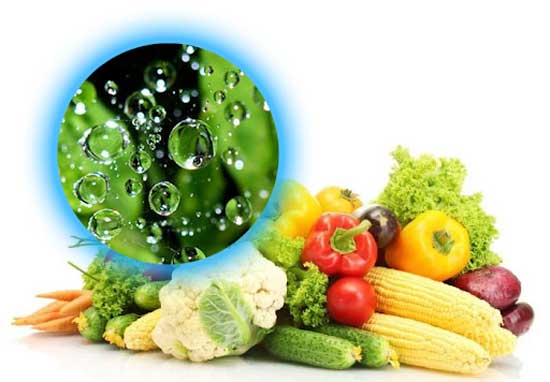
Ethylene gas promotes natural ripening in plants. A helpful tip is to place a ripe fruit among several green ones; after a short time, the greens will ripen faster. Fruits like apples, bananas, avocados, and tomatoes produce a significant amount of ethylene.
The following tips will help food retain its nutrients, stay fresh, and last longer.
Each type of food requires different storage methods. For example, potatoes, ginger, and garlic should be stored in dark places. Sunlight causes these vegetables to sprout faster and produce more toxins. Grapefruits and oranges need to be stored in cool, airy places, in mesh bags, because wrapping them in plastic will cause them to spoil quickly.
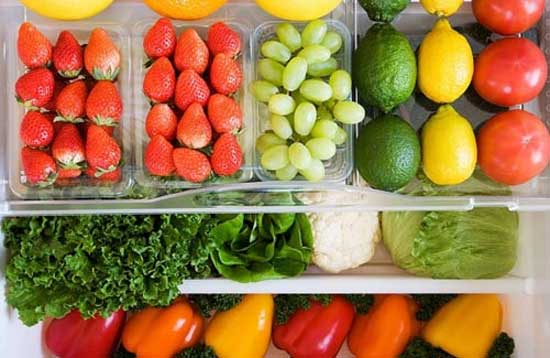
Vegetables and fruits are classified into two groups: those that produce a lot of ethylene and those that are sensitive to ethylene. If stored together, sensitive fruits will ripen very quickly. Generally, fruits produce more ethylene gas than leafy greens.
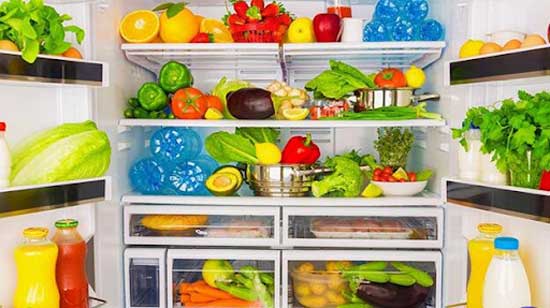
Temperatures between 1 and 4 degrees Celsius are suitable for storing vegetables. Above 4 degrees Celsius, harmful bacteria will grow; conversely, below 4 degrees Celsius, vegetables will freeze and lose all their nutrients. Some fresh foods should be refrigerated immediately after purchase to prevent spoilage.
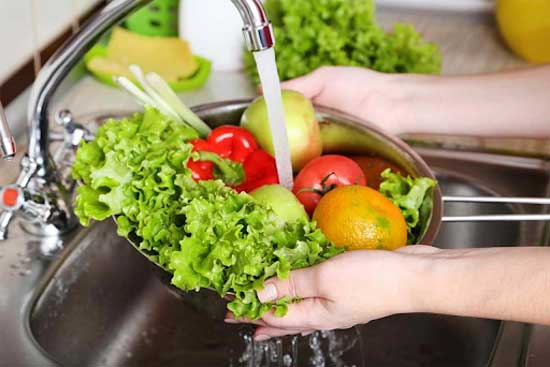
Washing vegetables before refrigerating them will cause water to condense on them. This condensation creates excessive moisture, causing vegetables to spoil quickly. Some root vegetables (radishes, carrots) should be trimmed before storage. Only wash vegetables when you are ready to prepare and cook them.
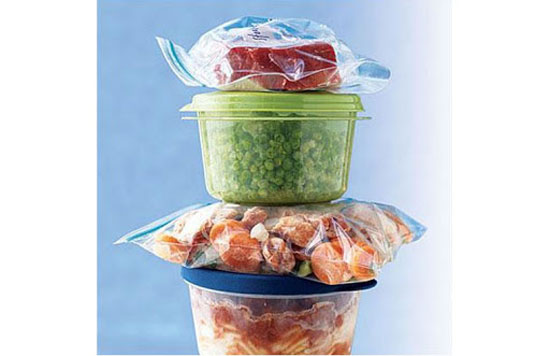
Using plastic bags prevents evaporation of food, maintaining the necessary moisture to prevent spoilage. For items without an outer shell, plastic bags create an effective barrier, protecting them from insects. Note that plastic bags should not be used for straw mushrooms because...
Mushrooms tend to become slimy when placed in bags. It's best to store them in paper bags to keep them fresh longer.

Each type of vegetable has a different storage time. Asparagus and cabbage can be stored for 2-3 days; broccoli and green onions for 3-5 days; beans, leafy greens, and pumpkin for 1 week; carrots and radishes for 2 weeks.

Thuy Anh Fruits – a dedicated partner in premium product lines – recently embarked on a trip to explore and learn about top cherry orchards in Washington, USA.



Comment (0)