Using apples in this soup is definitely a favorite among women; even those who are reluctant to eat vegetables will love it.
26/2/2024
Mushrooms have long been considered a highly nutritious food, used in a wide variety of dishes. You can find mushrooms in everything from simple family meals to sophisticated restaurant dishes.
In terms of nutritional content, studies show that mushrooms can completely replace meat, as their nutritional value is higher than both meat and vegetables, and their fiber content is equal to or even higher than vegetables…
According to experts, mushrooms contain vitamins and nearly 60 minerals, so eating them regularly helps the body resist disease, fight cancer and viruses, detoxify and protect liver cells, lower blood sugar, protect against radiation, fight aging, and reduce the risk of cardiovascular diseases.
However, how to prepare and use mushrooms most effectively is something few people know or pay attention to.
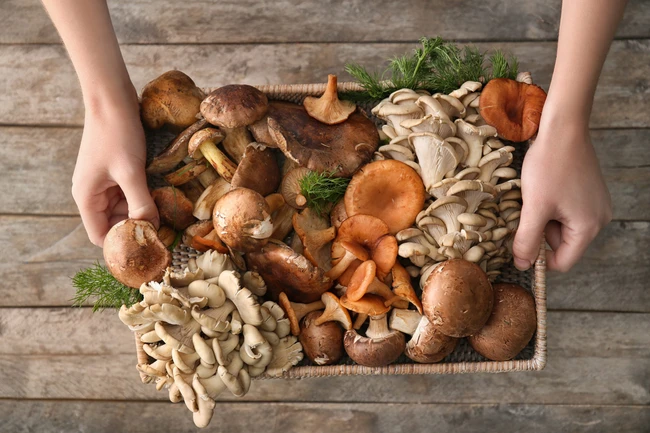
If you have purchased mushrooms from a reputable source, you can rest assured that you can cook them without washing them, as mushrooms are a food that only grows in clean environments.
Therefore, you should only cut off the stems and clean them with a damp paper towel or a clean brush. Washing mushrooms will cause them to absorb water and become bland.
However, some types of mushrooms must be cleaned if they become dirty during transportation, but they should be rinsed under a gentle stream of water, not directly on the mushroom body, as this will damage the mushroom flesh.
Furthermore, mushrooms contain Lysergic acid, a substance that, when exposed to sunlight, can be converted into vitamin D.
Over-washing mushrooms or soaking them in water for too long before eating can cause a loss of nutrients in fresh mushrooms.
When cooking mushrooms, you should use high heat because if cooked at low temperatures, the mushrooms will release a lot of water, become mushy and bland, and won't retain their best flavor and color.
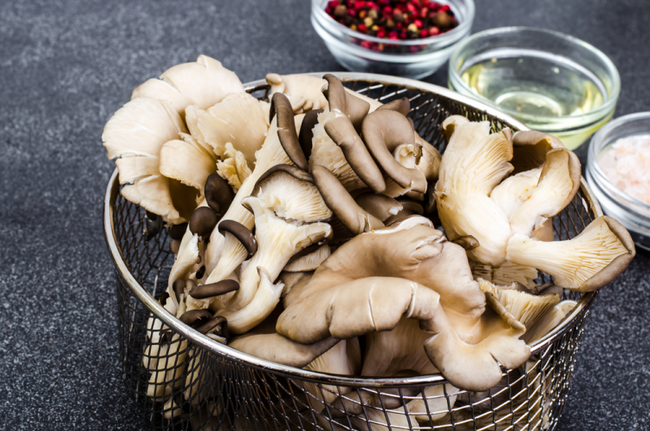
Mushrooms cooked in aluminum pots will discolor and look unappetizing, so be careful not to use this type of pot for mushroom dishes.
Mushrooms absorb water and other liquids, so you might add too much oil without realizing it.
However, too much fat will hinder the absorption of nutrients from mushrooms, cause bloating, affect digestion, and even increase the risk of acid reflux.
Mushrooms need to be boiled for 5-10 minutes to ensure they are fully cooked, guaranteeing hygiene and preventing harm to your body. If the substances in the mushrooms are not thoroughly cooked or the bacteria are not completely eliminated, it will be harmful to your health.
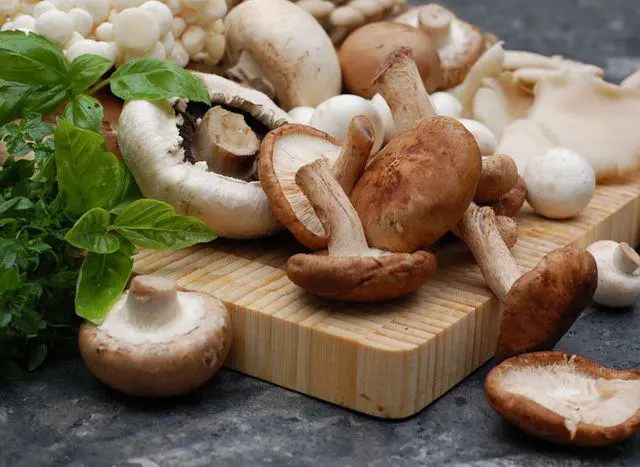
Mushrooms are cooling and nourishing. If you eat them with iced tea, cold drinks, or other cooling beverages, it can cause stomach upset, abdominal pain, and discomfort. According to Traditional Chinese Medicine, mushrooms have a sweet taste and a cooling (cold) nature, so consuming too much is not good and can lead to stomach upset and indigestion.
[Image of mushrooms] Besides, people with weak digestive systems, who often feel bloated, have slow digestion, or loose stools, should not eat mushrooms, or should eat them in moderation. If they crave them, eating them hot with hot pot and green vegetables is better than eating them fried, stir-fried, or boiled, as mushrooms cool down quickly.
Those who frequently drink alcohol should note: "Do not eat mushrooms while drinking alcohol as it increases the risk of alcohol poisoning," due to the accumulation of high levels of aldehydes in the blood, causing symptoms such as facial flushing, headache, nausea, palpitations, and shortness of breath… which can lead to death.
- Fresh mushrooms:
If using fresh mushrooms, it is best to choose those that are less than 24 hours old and properly stored at 3-8°C, as at this temperature mushrooms can be used for 5-7 days. However, depending on the type, straw mushrooms only last 24 hours; to use them longer, blanch them in boiling water and store them in a container in the refrigerator. This method helps keep mushrooms fresh for about 3-4 days.
- Dried type:
Store in a cool, dry place. Do not put them in sealed plastic bags. When using, soak them in warm water for 10 minutes to allow the caps to fully expand, then rinse off any remaining dirt and sand, and cut off the stems.
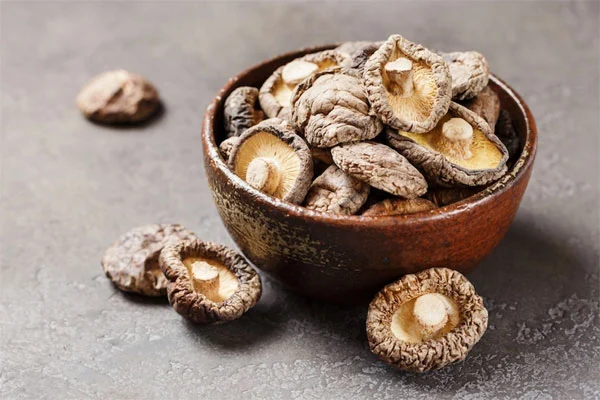
Specifically for shiitake mushrooms: The best way is to soak them in warm water (below 70°C) before cooking. At this temperature, the glycosides and glycosides will be released, creating an attractive aroma.
Before soaking, you can rinse the mushrooms with cold water to remove some dirt. The mushroom soaking water can be used to make soup or broth, utilizing the nutrients in the water and enhancing the flavor of the dish.
When cooking shiitake mushrooms, you don't need to add sweeteners (MSG, sugar) because the mushroom's natural flavor is already delicious and appealing. After soaking the shiitake mushrooms in hot water, they don't need to be cooked for too long. Just leave them on the stove for about 5-10 minutes to prevent them from becoming mushy and to preserve their delicious aroma.

Thuy Anh Fruits – a dedicated partner in premium product lines – recently embarked on a trip to explore and learn about top cherry orchards in Washington, USA.



Comment (0)